
Netflix Faces ₹25 Crore Legal Battle Over Iconic Baburao Character From Hera Pheri
The entertainment industry is buzzing with news of a major legal dispute that has emerged between Bollywood producer Firoz Nadiadwala and streaming giant Netflix. The controversy centers around the unauthorized use of one of Indian cinema’s most beloved characters – Baburao Ganpatrao Apte from the cult classic Hera Pheri franchise.
The Heart of the Legal Dispute
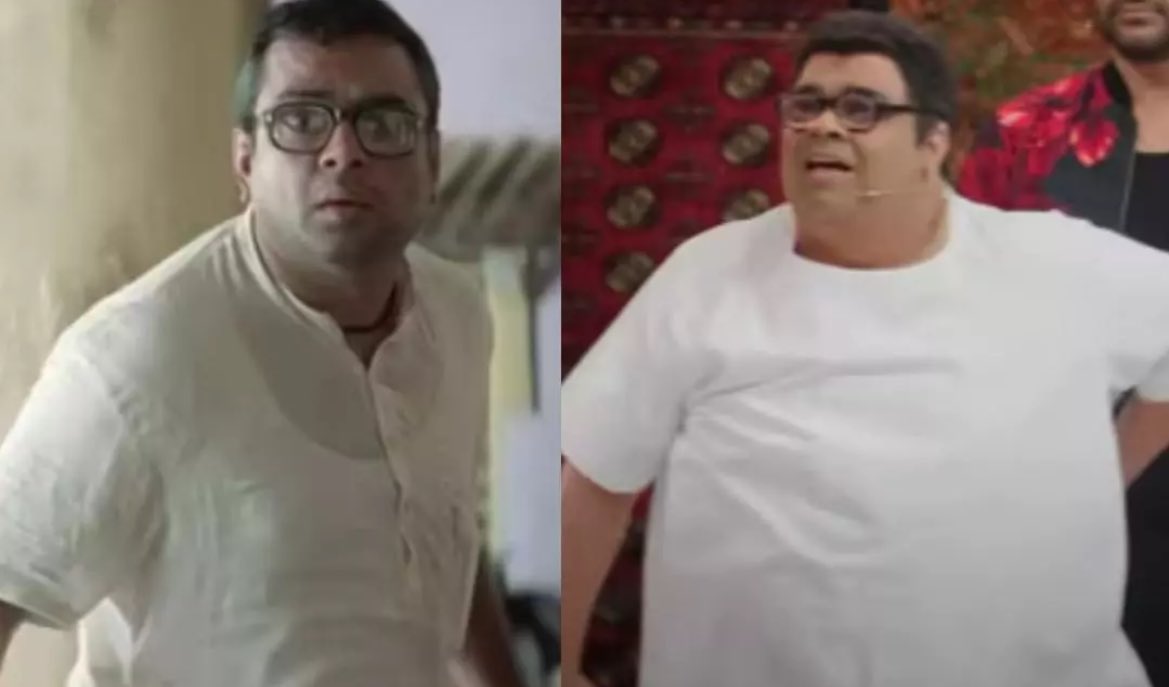
The legal storm began brewing when comedian Kiku Sharda performed an impersonation of the iconic Baburao character during Akshay Kumar’s guest appearance on The Great Indian Kapil Show, which streams exclusively on Netflix. What seemed like harmless entertainment has now escalated into a serious intellectual property dispute worth ₹25 crores.
Firoz Nadiadwala, who holds the production rights to the Hera Pheri franchise, has taken strong exception to this portrayal, arguing that the character represents far more than just comedic relief – it embodies cultural significance and substantial commercial value that his family has carefully protected over the years.
Also Read: Camila Cabello’s Playful Mirror Selfie Creates Social Media Buzz Ahead of Brazil Tour
Understanding the Legal Framework
The lawsuit operates on two critical fronts of Indian intellectual property law. Under Section 51 of the Copyright Act, 1957, Nadiadwala claims that the unauthorized reproduction and public display of the Baburao character constitutes direct copyright infringement. Additionally, the case invokes Section 29 of the Trademarks Act, as the producer maintains that Baburao exists not merely as a fictional character but as a registered trademark owned by his family.
This dual approach strengthens the legal position significantly, as it covers both the creative expression of the character and its commercial identity in the marketplace.
The Producer’s Perspective
Nadiadwala’s stance reflects deep emotional and financial investment in the character’s legacy. He has publicly stated that Baburao represents the “soul of Hera Pheri” and emphasized that no entity should profit from this cultural creation without proper authorization and compensation.
The producer’s position highlights a growing concern in the entertainment industry about protecting intellectual property in an era where content travels rapidly across digital platforms and social media channels.
Netflix’s Position and Industry Implications
While Netflix has not issued a detailed public response to the allegations, the streaming platform finds itself in a challenging situation that could set important precedents for the industry. The case raises fundamental questions about where fair use ends and copyright infringement begins, particularly in the context of comedy shows and character impersonations.
The entertainment industry is closely watching this development, as it could establish new boundaries for how iconic film characters can be referenced, parodied, or impersonated in commercial content without explicit permission from rights holders.
The Legal Demands and Timeline
Nadiadwala’s legal team has presented a comprehensive set of demands that include:
– Immediate payment of ₹25 crore in damages
– Complete removal of all related content from Netflix and associated social media platforms
– A formal written apology to be issued within 24 hours
– Binding assurances against any future unauthorized use of the character
The tight timeline and substantial financial demand indicate the seriousness with which the producer views this alleged infringement.
Broader Industry Impact
This legal dispute represents one of the most significant Bollywood intellectual property cases in recent memory. The outcome could influence how streaming platforms, television shows, and digital content creators approach the use of established film characters in their programming.
The case also reflects the evolving landscape of entertainment law in India, where traditional Bollywood properties must navigate new distribution channels and digital platforms while protecting their valuable intellectual assets.
Also Read: Sydney Sweeney’s Bollywood Dream: Hollywood Star Offered Record-Breaking ₹530 Crore Deal
Looking Ahead
As this legal battle unfolds, it serves as a reminder of the complex relationship between creative freedom and intellectual property rights in the modern entertainment ecosystem. The resolution of this case may establish important guidelines for content creators, producers, and streaming platforms operating in the Indian market.
The dispute also underscores the enduring popularity and commercial value of classic Bollywood characters, demonstrating how beloved fictional personalities can become valuable business assets that require careful legal protection.
Whether this case ultimately results in a settlement or proceeds to full legal proceedings, it has already sparked important conversations about copyright protection, fair use, and the responsibility of digital platforms in respecting intellectual property rights in the entertainment industry.
Catch us for latest Bollywood News, Movies Reviews, New Movie Release , and Follow us on Instagram, Twitter, Facebook