Varun Dhawan Reveals Daughter Lara’s DDH Diagnosis: “She Couldn’t Walk Properly”
In a rare and raw moment of vulnerability, the actor opens up about two months of fear, a spica cast, and the condition millions of Indian parents have never heard of.
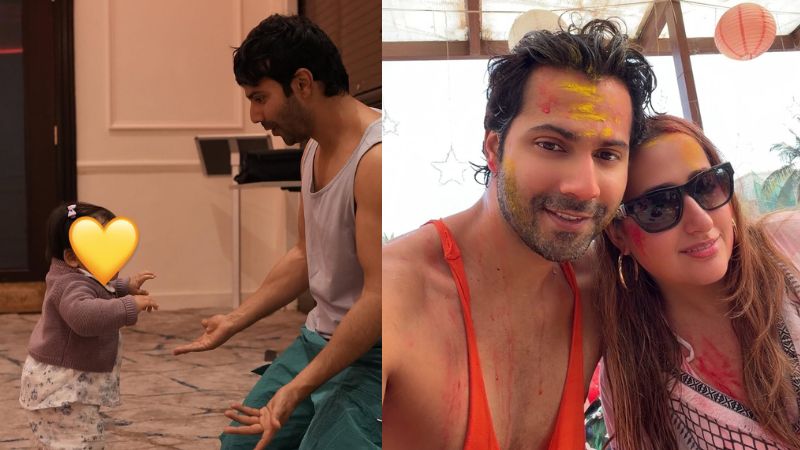
Varun Dhawan has always been the kind of Bollywood star who wears his heart on his sleeve — whether it’s on screen or in real life. But nothing quite prepared fans for the moment he stepped forward, not as an action hero or a rom-com lead, but as a father who spent two-and-a-half months watching his baby daughter recover from a hip condition most people in India have never even heard of.
In a candid conversation on the podcast Be A Man, Yaar!, Varun revealed that his daughter Lara Dhawan — born in June 2024 to him and wife Natasha Dalal — was diagnosed with Developmental Dysplasia of the Hip (DDH). The disclosure wasn’t a publicity move. It was a father’s mission to make sure no other parent has to navigate this condition in the dark.
What Exactly Did Varun Reveal?
Speaking with characteristic openness, Varun broke down exactly what DDH means — not in medical jargon, but in the simple, heartbreaking language of a parent watching their child struggle.
My daughter was diagnosed with DDH, in which the hip slips out of the hip socket. One leg becomes shorter than the other, which causes an uneven limp while walking. You can’t walk or run properly.
— Varun Dhawan, on Be A Man, Yaar!
He went on to explain the longer-term risks that come with an untreated diagnosis — early-onset arthritis, slip disc issues, chronic discomfort — painting a picture of just how serious this condition can become if left undetected. Lara was only one-and-a-half years old when the diagnosis was confirmed, and that early catch, it turns out, made all the difference.
The Treatment: No Surgery, But Two Months in a Cast
Here’s where the story shifts from frightening to hopeful — and where Varun’s candour becomes genuinely valuable for parents everywhere.
Lara did not need surgery. Her doctors were able to correct the hip displacement through a single medical procedure, manually repositioning the hip back into its socket. The relief of avoiding an operation, however, came with its own emotional weight: Lara had to be placed in a spica cast — a full-body plaster cast that immobilises the hips and legs — for two-and-a-half months.
She had to be put under anaesthesia, and then she woke up in a cast. That was extremely difficult. Now the cast is out. I want to write a book on it.
— Varun Dhawan
Those words — “she woke up in a cast” — carry the full weight of a parent’s helplessness. Imagine a toddler, barely old enough to understand what’s happening, coming out of anaesthesia to find her tiny body encased in plaster. And yet, Varun and Natasha got through it. Lara got through it. The cast is off, and she is now on the road to recovery.
- Full form: Developmental Dysplasia of the Hip
- What happens: The hip joint doesn’t form correctly; the ball slips out of or sits loosely in the socket.
- Signs to watch: Uneven leg lengths, unusual walking gait, asymmetric skin folds near the thigh.
- When it’s caught early: Often treatable with a Pavlik harness (in newborns) or a spica cast (in toddlers), without surgery.
- If left untreated: Can lead to a permanent limp, early arthritis, and hip pain in adulthood.
- Prevalence: More common in firstborn girls, breech births, and cases with a family history.
A Gap in Awareness — Especially in India
One of the most striking parts of Varun’s revelation wasn’t just the personal story — it was the systemic gap he highlighted. He pointed out that in Western countries, DDH screening is a routine part of newborn checks, often detected and treated from birth. In India, that level of standardised screening simply isn’t available everywhere yet.
That gap in awareness — between a condition that is very much treatable when caught early, and parents who have never heard of it — is precisely what Varun wants to close. He was direct about his reason for speaking out: not for sympathy, not for headlines, but because awareness can be the difference between a child walking normally and carrying the consequences of an undiagnosed condition into adulthood.
Natasha Dalal: The Quiet Strength Behind the Journey
While Varun took centre stage in the telling of this story, Natasha Dalal’s role as a mother navigating this diagnosis cannot go unacknowledged. The designer-turned-mother has largely kept her personal life private since Lara’s birth, but the journey of managing a child in a spica cast for over two months — the daily care, the emotional toll, the sheer logistics of it — is a testament to her strength and dedication as a parent.
Varun and Natasha, who married in a quiet ceremony in 2021, have consistently chosen privacy over publicity when it comes to their daughter. The decision to speak about Lara’s diagnosis now, therefore, wasn’t taken lightly — it was a deliberate act of advocacy.
“Don’t Look at Me With Sympathy” — Varun’s Message to Fans
If there’s one line from Varun’s conversation that sums up the spirit of his disclosure, it’s this: he explicitly asked fans not to feel sorry for him. Coming from a place of strength rather than victimhood, he reframed the entire conversation around awareness — a move that is both admirable and rare in a celebrity culture that tends to either over-dramatise or completely hide difficult personal experiences.
He also urged every parent watching or listening to pay close attention to how their child moves, walks, and develops — and to consult a paediatrician at the earliest sign of anything unusual. The sooner DDH is caught, the simpler the treatment and the better the outcome.
Why This Moment Matters Beyond Bollywood
Celebrity health disclosures can sometimes feel performative, timed to a film release or a PR cycle. This one feels different. Varun isn’t promoting anything. He’s a father who went through something genuinely terrifying, came out the other side, and decided that the most useful thing he could do with that experience was share it.
In a country where millions of parents — especially in smaller cities and rural areas — may not have access to the kind of specialised paediatric care that caught Lara’s condition in time, Varun’s voice carries real weight. If even a handful of parents recognise a developmental red flag because of this conversation and get their child screened, that is an outcome worth far more than any box office number.
Lara is recovering. Her cast is off. And her father, in the most un-filmy way possible, has done something quietly heroic: he turned a private family hardship into a public health conversation that India genuinely needs.
Catch us for latest Bollywood News, Movies Reviews, New Movie Release , and Follow us on Instagram, Twitter, Facebook