Shah Rukh Khan and Deepika Padukone Face Legal Action Over Alleged Defective Car Endorsement
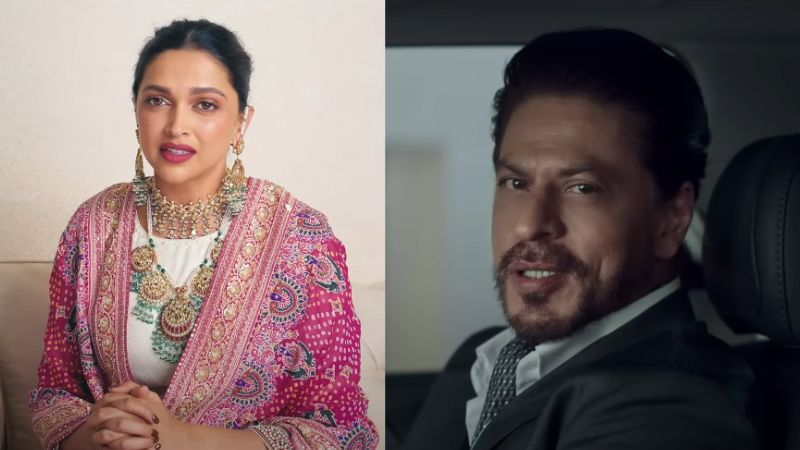
In an unprecedented turn of events, Bollywood superstars Shah Rukh Khan and Deepika Padukone find themselves at the center of a legal controversy that has nothing to do with their on-screen performances. The actors, who serve as brand ambassadors for Hyundai Motor India, have been named in a fraud case filed in Rajasthan, raising important questions about celebrity endorsement responsibilities in India’s evolving consumer protection landscape.
The Case That Started It All
The legal drama began when Kirti Singh, a practicing lawyer from Bharatpur, Rajasthan, filed a First Information Report (FIR) on August 25, 2025, at the Mathura Gate police station. Singh’s complaint stems from her purchase of a Hyundai Alcazar in 2022 from Malwa Auto Sales Pvt Ltd in Sonipat, Haryana, for which she paid Rs 23.97 lakh.
What should have been a routine car purchase turned into a nightmare when Singh discovered multiple technical defects in her vehicle. The issues were not minor inconveniences but potentially dangerous problems that could compromise road safety.
Technical Problems That Sparked Legal Action
According to the complaint, Singh’s Hyundai Alcazar suffered from several serious technical issues that made driving unsafe for her family. The primary concerns included:
Engine Management Issues: The car’s engine RPM would rise without corresponding acceleration, creating a disconnect between the driver’s input and the vehicle’s response. This type of malfunction can be particularly dangerous during overtaking maneuvers or emergency situations where precise acceleration control is crucial.
Persistent Vibrations: The vehicle experienced significant vibrations at high speeds, which not only affected comfort but also raised concerns about potential mechanical failures that could lead to accidents.
Acceleration Problems: Irregular acceleration patterns made the vehicle unpredictable to drive, posing risks to the occupants and other road users.
Despite Singh’s repeated complaints to both the dealership and Hyundai officials, she alleges that the company failed to adequately address these safety concerns or offer a satisfactory resolution, including a refund for the defective vehicle.
Also Read: Taylor Swift and Travis Kelce Are Engaged: A Love Story That Captured the World
Legal Framework and Charges
The FIR has been filed under multiple sections of Indian law, reflecting the serious nature of the allegations:
Indian Penal Code Sections:
– Section 420: Cheating and dishonestly inducing delivery of property
– Section 406: Criminal breach of trust
– Section 120B: Criminal conspiracy
Bharatiya Nyaya Sanhita: Additional provisions under India’s new criminal code have also been invoked, showing the evolving legal landscape for consumer protection cases.
The case gained traction only after Singh approached the court, as police had initially declined to file the complaint. Following court directions, the investigation has now officially begun.
Celebrity Endorsement Accountability Under Scanner
What makes this case particularly significant is the inclusion of Shah Rukh Khan and Deepika Padukone as defendants, despite their role being limited to brand endorsement. This development highlights the increasing accountability of celebrity endorsers under India’s Consumer Protection Act, 2019.
The Legal Precedent: Under the updated consumer protection laws, celebrities can be held liable for endorsing products that are later found to be defective or misleading. This represents a significant shift from earlier times when endorsers were largely protected from such legal consequences.
Long-standing Brand Association: Shah Rukh Khan’s association with Hyundai dates back to 1998, making him one of the longest-serving brand ambassadors in the Indian automotive industry. Deepika Padukone joined as a brand ambassador more recently, in December 2023.
Industry Implications and Consumer Rights
This case could set an important precedent for how celebrity endorsements are viewed in the context of consumer protection. It raises several critical questions:
Due Diligence Expectations: Should celebrities be expected to personally test and verify the products they endorse? While this might seem impractical, the legal system appears to be moving toward greater accountability.
Brand Responsibility: The case also puts the spotlight on how automobile manufacturers handle customer complaints about safety-critical issues. The allegation that repeated complaints were ignored could influence how companies approach customer service in the future.
Consumer Empowerment: Singh’s persistence in pursuing legal action, even when initially rebuffed by police, demonstrates the power of informed consumers in holding both manufacturers and endorsers accountable.
Also Read: Millie Bobby Brown and Jake Bongiovi Welcome Their First Child Through Adoption
The Road Ahead
As the investigation proceeds, several key developments will be worth watching:
Evidence Gathering: The police will need to examine technical evidence about the alleged defects, maintenance records, and correspondence between Singh and Hyundai officials.
Industry Response: How other automobile manufacturers and their celebrity endorsers respond to this case could indicate whether this represents an isolated incident or the beginning of a broader trend.
Legal Precedent: The outcome could influence future cases involving celebrity endorsements and defective products, potentially reshaping the endorsement landscape in India.
A Balanced Perspective
While the case raises legitimate questions about consumer protection and celebrity accountability, it’s important to note that this represents allegations that have yet to be proven in court. Neither Shah Rukh Khan nor Deepika Padukone has publicly commented on the matter, and Hyundai has not released an official statement regarding the specific technical issues alleged.
The case also highlights the complex relationship between consumer expectations, product quality, and marketing promises in India’s rapidly growing automotive market. As consumers become more aware of their rights and legal options, manufacturers and their endorsers may need to adapt to higher standards of accountability.
Conclusion
The legal action against Shah Rukh Khan and Deepika Padukone over their Hyundai endorsement represents more than just another celebrity controversy. It signals a potential shift in how Indian law views the responsibilities of both manufacturers and their famous endorsers toward consumers.
As this case unfolds, it will likely influence discussions about consumer protection, celebrity endorsement ethics, and corporate accountability in India’s entertainment and automotive industries. Regardless of the outcome, it serves as a reminder that in today’s consumer-aware environment, everyone in the product promotion chain may be held accountable for the promises they help make to the public.
The case underscores the evolving nature of consumer rights in India and may encourage more careful consideration of endorsement agreements by both celebrities and the brands they represent. For consumers, it demonstrates that legal recourse is available even against the most prominent figures when safety and trust are at stake.
Catch us for latest Bollywood News, Movies Reviews, New Movie Release , and Follow us on Instagram, Twitter, Facebook